Most fast casual concepts pick a lane. A brand builds its menu and establishes a supply chain. It then builds its marketing around salads or sandwiches. Perhaps it establishes soup as a cold-weather add-on. Franchise candidates researching soup/salad/sandwich franchises often want something different: a concept that can credibly serve all three without feeling like three separate menus bolted together.
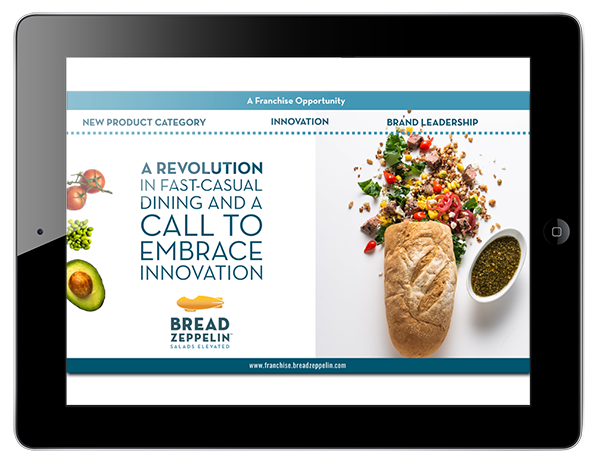
Bread Zeppelin was built around a single idea that happens to solve this problem. The Zeppelin, the brand’s signature item, is a chopped salad served inside a hollowed artisan baguette. It’s a salad and a sandwich in one order, and the standard menu built around it adds soups and seasonal sides to complete the trifecta.
- The Zeppelin merges chopped salad and artisan bread into a single signature item, covering salad and sandwich demand in one order.
- The Franchise Disclosure Document confirms soups and seasonal sides are part of the standard menu, rounding out the trifecta.
- Corporate units averaged $1,438,905 in gross sales for the trailing 12 months through April 2025, per Item 19 of the 2025 FDD.
- The concept sees modestly higher sales in summer months, but the three-category menu is built to support traffic across seasons.
- Franchisees receive real estate, training, marketing, and ongoing operational support behind the model.
The Soup-Salad-Sandwich Trifecta as a Franchise Category
Soup, salad, and sandwich have long been treated as separate ordering occasions in fast casual dining. A guest picking a salad concept typically wants a lighter, health-forward meal. A guest picking a sandwich shop wants something heartier and more portable. Soup tends to show up as a side or a seasonal special rather than a category of its own.
Brands that can serve all three without diluting any one of them capture a wider swath of daily traffic. Instead of competing for a single, narrow occasion, they can be relevant at lunch for the health-conscious guest while catering to the guest who wants something more substantial. They can also stay relevant on a colder day when soup becomes the more appealing order.
For franchise investors, that breadth matters. A concept anchored in one narrow occasion sees greater exposure to shifts in consumer preference or seasonal demand than one built to serve several occasions from the same kitchen and the same supply chain.
The Zeppelin: One Menu Item, Two Categories
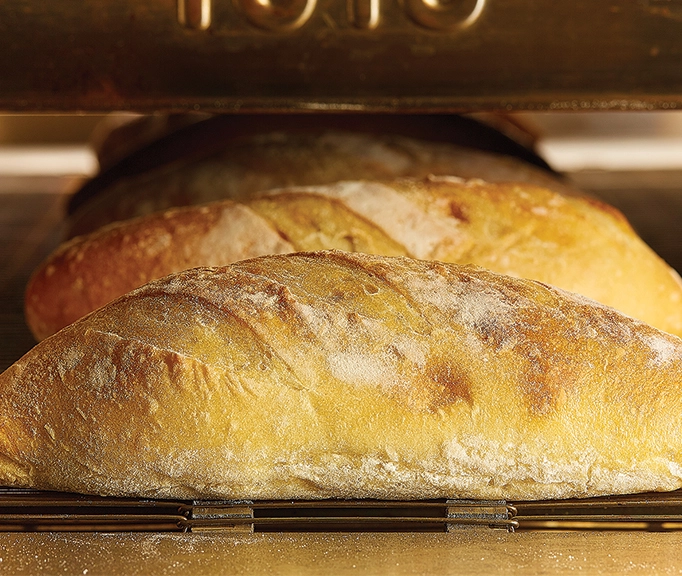
Bread Zeppelin’s approach to the trifecta starts with its core product rather than with a broader menu of separate salad and sandwich items. The Zeppelin takes a warm, toasted artisan baguette, removes the soft interior, and fills the hollowed bread with a customer-built chopped salad. The result functions as a chopped salad built around fresh, natural ingredients, and it also functions as a handheld, portable sandwich that a guest can eat on the go.
This matters operationally as much as it matters to the guest. Instead of running two distinct menu systems — one for salads and one for sandwiches — a Bread Zeppelin kitchen builds from a shared set of proteins, vegetables, dressings, and bread. The same prep line that supports a salad-forward order also supports the sandwich-forward order. This keeps back-of-house complexity manageable even as the menu covers two customer intents at once.
Soups and Seasonal Sides Round Out the Menu
The trifecta does not stop at salad and sandwich. The Bread Zeppelin concept as a fast casual restaurant featuring chopped salads served in an artisan baguette or bowl, “along with seasonal side items, soups, chips, and soft drinks.” Soup stays a standard part of the system rather than a one-off promotional item. Seasonal sides give franchisees room to rotate the menu without departing from the core format.
That structure gives franchisees a third lever to pull. On a day or in a season where soup is the more appealing order, it is already part of the standard offering versus something a location would need to introduce on its own.
Why the Trifecta Appeals to a Broader Customer Base
Consumer demand has been moving toward fresh, minimally processed food for several years, and Bread Zeppelin’s own research points to a majority of diners actively seeking healthier options when they eat out. A healthy fast food concept that only offers salad can struggle to also feel like a satisfying meal to a guest who wants something heartier. A concept that only offers sandwiches can struggle to feel like the lighter, health-forward choice. Bread Zeppelin’s trifecta menu is built to answer both expectations from the same counter, which widens the pool of guests any single location can serve without changing its positioning to do it.
Built for Year-Round Traffic
Seasonality affects most fast casual concepts, and Bread Zeppelin is no exception. The brand sees somewhat higher sales in the summer months than in winter, a common pattern for salad-forward concepts. A three-category menu is one way the brand offsets that swing. Salads and the Zeppelin sandwich carry warmer-weather demand, while soup and seasonal sides give a location a reason for a guest to walk in on a cold or rainy day when a salad alone might be a harder sell.
Franchise Support Behind the Model
Running a menu that spans three categories could, in theory, add operational complexity for a franchisee. Bread Zeppelin’s franchise support system helps keep that complexity manageable. Franchisees receive guidance on site selection, hands-on operations and training at certified locations, marketing assistance for driving awareness and repeat visits, and ongoing support after opening.
Because the Zeppelin, the salad program, and the soup and seasonal side offerings all draw from a shared prep system, the training and supply chain support franchisees receive centers on an integrated menu rather than three disconnected ones.
From Two Friends to a Category-Defining Brand
The trifecta positioning traces back to the brand’s origin. Bread Zeppelin was started in 2010 by Troy Charhon and Andrew Schoellkopf, two friends with backgrounds in upscale food concepts who set out to improve on the traditional sandwich. Their idea became the Zeppelin, and the concept has operated restaurants under the Bread Zeppelin name since 2013, with franchising underway since 2019. That history is part of what shapes the brand’s origin story today: a concept that bridges salad and sandwich, instead of one menu offering with another tacked on for good measure.
Investment Snapshot
Bread Zeppelin’s estimated initial investment ranges from $470,590 to $881,265, which includes a $40,000 initial franchise fee, according to Items 5 and 7 of the 2025 Franchise Disclosure Document (FDD).
That single investment builds out a restaurant capable of serving all three categories in the trifecta rather than requiring separate concepts or menu overhauls to capture salad, sandwich, and soup demand.
Ready to Bring the Trifecta to Your Market?
A concept that can genuinely serve soup, salad, and sandwich demand from one kitchen is a different kind of investment than a single-category concept competing in a crowded lane. If that combination fits what you are looking for in a franchise, explore the full Bread Zeppelin franchise opportunity to see investment details, territory availability, and next steps.
Soup-Salad-Sandwich Franchise Frequently Asked Questions
Is Bread Zeppelin a salad franchise or a sandwich franchise?
Bread Zeppelin is built around a single item, the Zeppelin, that functions as both. It is a chopped salad served inside a hollowed artisan baguette, which puts it in both the salad and sandwich categories at once rather than firmly in one or the other.
Does Bread Zeppelin’s menu include soup?
Yes. Item 1 of the Franchise Disclosure Document describes the standard Bread Zeppelin menu as chopped salads served in an artisan baguette or bowl, along with seasonal side items, soups, chips, and soft drinks.
What is the investment range for a Bread Zeppelin franchise?
The estimated initial investment ranges from $470,590 to $881,265, including a $40,000 initial franchise fee, according to Items 5 and 7 of the 2025 Franchise Disclosure Document. Figures should always be confirmed against the current FDD at the time of investment.
Does the soup-salad-sandwich model help with year-round sales?
The brand does see somewhat higher sales in summer months than winter. A menu that spans salad, sandwich, and soup gives a location more than one reason for a guest to visit regardless of season, which is one way the model is designed to soften that seasonal swing.
This article references figures from the Bread Zeppelin 2025 Franchise Disclosure Document. Franchise Disclosure Documents update periodically. Prospective franchisees should review the current FDD in full and consult their own legal and financial advisors before making an investment decision. This is not an offer to sell a franchise. Offers are made only through the FDD in states where Bread Zeppelin is registered or exempt from registration.