How Much Does a Salad Franchise Cost?
For entrepreneurs interested in restaurant ownership, salad franchises have become an increasingly attractive opportunity. As consumers look for healthier dining options and customizable meals, fast casual salad concepts have gained strong momentum across the country.
One of the first questions potential owners ask is simple.
How much does a salad franchise cost to open?
The answer can vary significantly depending on the concept. Restaurant franchises require investment in real estate, equipment, training, and operating capital. Some concepts require large kitchens and extensive cooking equipment. Others focus on fresh ingredients and streamlined preparation.
Understanding these differences is important when evaluating franchise opportunities.
Bread Zeppelin was designed with operational simplicity in mind. Its streamlined kitchen layout and focused menu help reduce complexity while delivering a unique guest experience.
What Determines the Cost of a Salad Franchise?
Restaurant franchise investments are influenced by several factors. While every brand has different requirements, most fast casual franchises include costs such as:
- Franchise licensing fees
- Leasehold improvements and construction
- Kitchen equipment and fixtures
- Furniture and interior design
- Technology systems and POS platforms
- Initial inventory and supplies
- Training programs and opening support
- Working capital for the first months of operation
Some restaurant concepts require large kitchens filled with cooking equipment. Others focus on fresh ingredients assembled quickly in front of guests.
The operational model of the brand often has the greatest impact on startup investment.
Bread Zeppelin Franchise Investment Overview
The estimated investment to open a Bread Zeppelin restaurant typically ranges from approximately $465,590 to $871,865, depending on location and market conditions.
This investment generally covers the major expenses associated with launching a restaurant franchise, including:
- Franchise licensing fees
- Restaurant construction and buildout
- Kitchen equipment and fixtures
- Furniture and interior design
- Technology systems and POS platforms
- Initial inventory and supplies
- Training and grand opening support
Actual investment levels vary based on site selection, real estate costs, and local construction requirements.
However, Bread Zeppelin’s operational design helps keep the restaurant model efficient and focused.
Why Kitchen Simplicity Matters for Restaurant Owners
Kitchen design plays a major role in both startup costs and daily restaurant operations.
Traditional restaurant kitchens often include:
- Fryers
- Large grills and cooking surfaces
- Ventilation hood systems
- Extensive prep stations
- Large refrigeration and storage areas
Each piece of equipment increases installation costs and long term maintenance requirements.
Bread Zeppelin was intentionally designed around a simpler kitchen environment. The concept emphasizes fresh ingredients and efficient preparation rather than extensive cooking equipment.
A streamlined kitchen layout can support:
- Lower equipment requirements
- Simplified installation and buildout
- Easier employee training
- Predictable day to day operations
For franchise owners, operational simplicity can be just as important as startup investment.
The Zeppelin: A Product That Defines the Brand
Bread Zeppelin stands apart from many fast casual salad concepts because of its signature product.
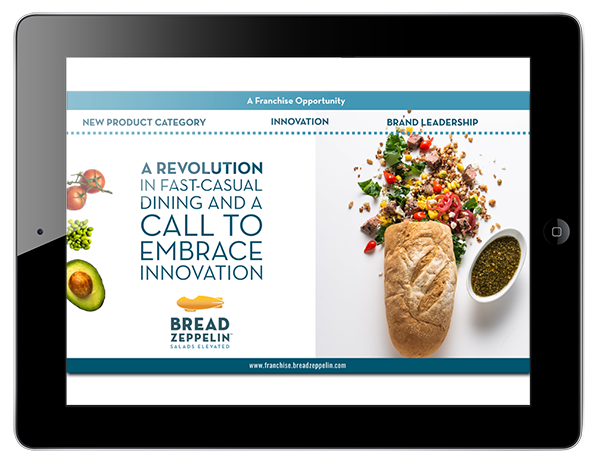
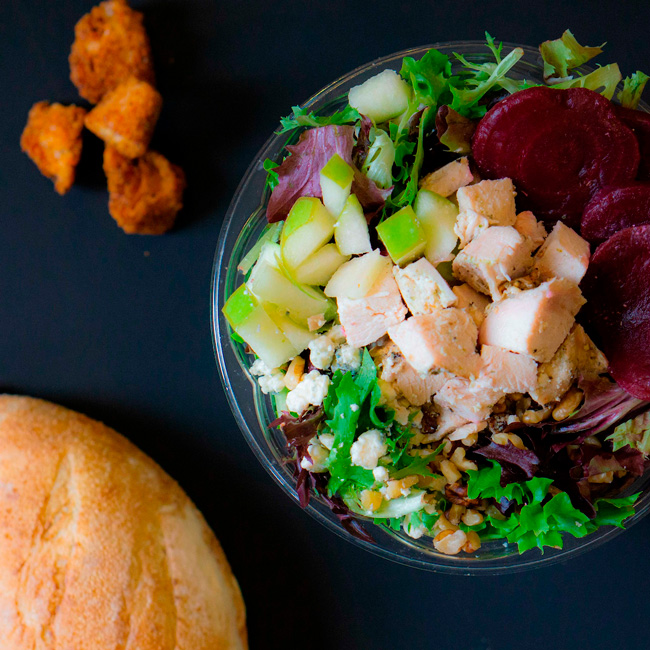
The Zeppelin is a hollowed baguette that is filled with a guest’s choice of fresh salad ingredients. The result delivers the freshness of a chopped salad combined with the satisfaction of a sandwich.
This concept allows Bread Zeppelin to serve both salad and sandwich customers while maintaining a focused menu.
Guests appreciate the ability to enjoy fresh ingredients in a format that is portable, satisfying, and customizable.
For operators, the product supports efficient preparation and consistent food quality.
Assembly Line Preparation Keeps Service Efficient
Speed and consistency are critical in fast casual restaurants.
Bread Zeppelin restaurants use an assembly line service model where guests move through the service line while team members prepare their meals.
Ingredients are filled to order, allowing each guest to customize their meal while maintaining efficient service.
This preparation style helps restaurants manage busy lunch and dinner periods while delivering a memorable guest experience.
Efficient service also supports stronger throughput during peak hours, which can be an important factor in restaurant performance.
Comparing Salad Franchise Concepts
When researching salad franchise cost, it is helpful to compare the operational models behind different brands.
Some salad concepts operate with full kitchen environments that require extensive cooking equipment. Others rely on streamlined preparation built around fresh ingredients.
Several factors often influence startup investment.
Kitchen Complexity
Restaurants that rely heavily on cooking equipment often require more extensive buildouts and higher installation costs.
Menu Breadth
Large menus may require more prep stations, ingredients, and staff training.
Restaurant Footprint
Larger restaurants typically involve higher real estate and construction expenses.
Operational Efficiency
Concepts designed around simplified preparation often support faster service and easier workflows.
Bread Zeppelin balances innovation and operational efficiency through its focused menu and streamlined restaurant design.
Why Healthy Fast Casual Concepts Continue to Grow
Consumer preferences have changed dramatically over the past decade.
Guests increasingly seek meals that feel fresh, satisfying, and customizable while still being convenient and fast.
Salad focused restaurants have benefited from this shift toward healthier dining.
Consumers today often look for:
- Fresh ingredients
- Customizable menu options
- Fast service during busy schedules
- Meals that balance flavor and nutrition
Bread Zeppelin sits at the intersection of these trends. The concept blends fresh salad ingredients with the convenience of a sandwich, creating a unique offering in the fast casual dining category.
Is a Salad Franchise the Right Investment?
Starting a restaurant franchise is both a financial decision and a long term commitment.
Prospective owners typically evaluate several factors before choosing a brand.
These may include:
- Total startup investment
- Operational complexity
- Brand differentiation
- Consumer demand in their market
- Training and support provided by the franchisor
For entrepreneurs interested in healthy fast casual dining, Bread Zeppelin offers a concept built around innovation, efficiency, and guest appeal.
The streamlined kitchen model and distinctive menu help create a restaurant experience that stands out in the fast casual landscape.
A Franchise Concept Built for the Future of Fast Casual Dining
The restaurant industry continues to evolve as consumers look for meals that combine freshness, flavor, and convenience.
Bread Zeppelin was created to meet this demand with a concept that reimagines how salads can be served.
By pairing fresh ingredients with a distinctive product and efficient restaurant model, the brand offers a unique opportunity for entrepreneurs exploring salad franchise opportunities.
If you are researching salad franchise cost and looking for a concept that balances innovation with operational simplicity, Bread Zeppelin represents a compelling option in the growing fast casual dining category.
FAQs
How much does a salad franchise cost?
The investment required to open a salad franchise varies by brand, location, and restaurant size. Startup costs typically include franchise fees, construction, equipment, inventory, and operating capital.
Why do some salad franchises cost more than others?
Concepts that rely on large kitchens, cooking equipment, and complex menus usually require higher buildout investments and operating costs.
Are salad franchises profitable?
Profitability depends on several factors including location, operational efficiency, labor management, and local market demand.
What equipment is needed for a salad franchise?
Equipment requirements depend on the restaurant concept. Some brands require extensive cooking equipment, while others focus on fresh ingredient preparation and streamlined assembly.
What makes Bread Zeppelin different from other salad franchises?
Bread Zeppelin combines fresh salad ingredients with a hollowed baguette called a Zeppelin. This unique product bridges the salad and sandwich categories while supporting efficient restaurant operations.