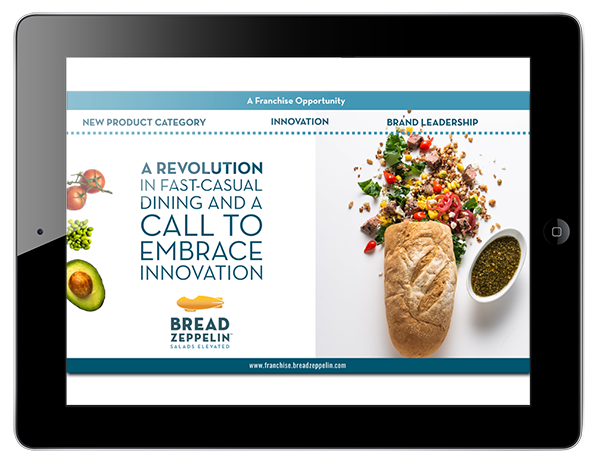
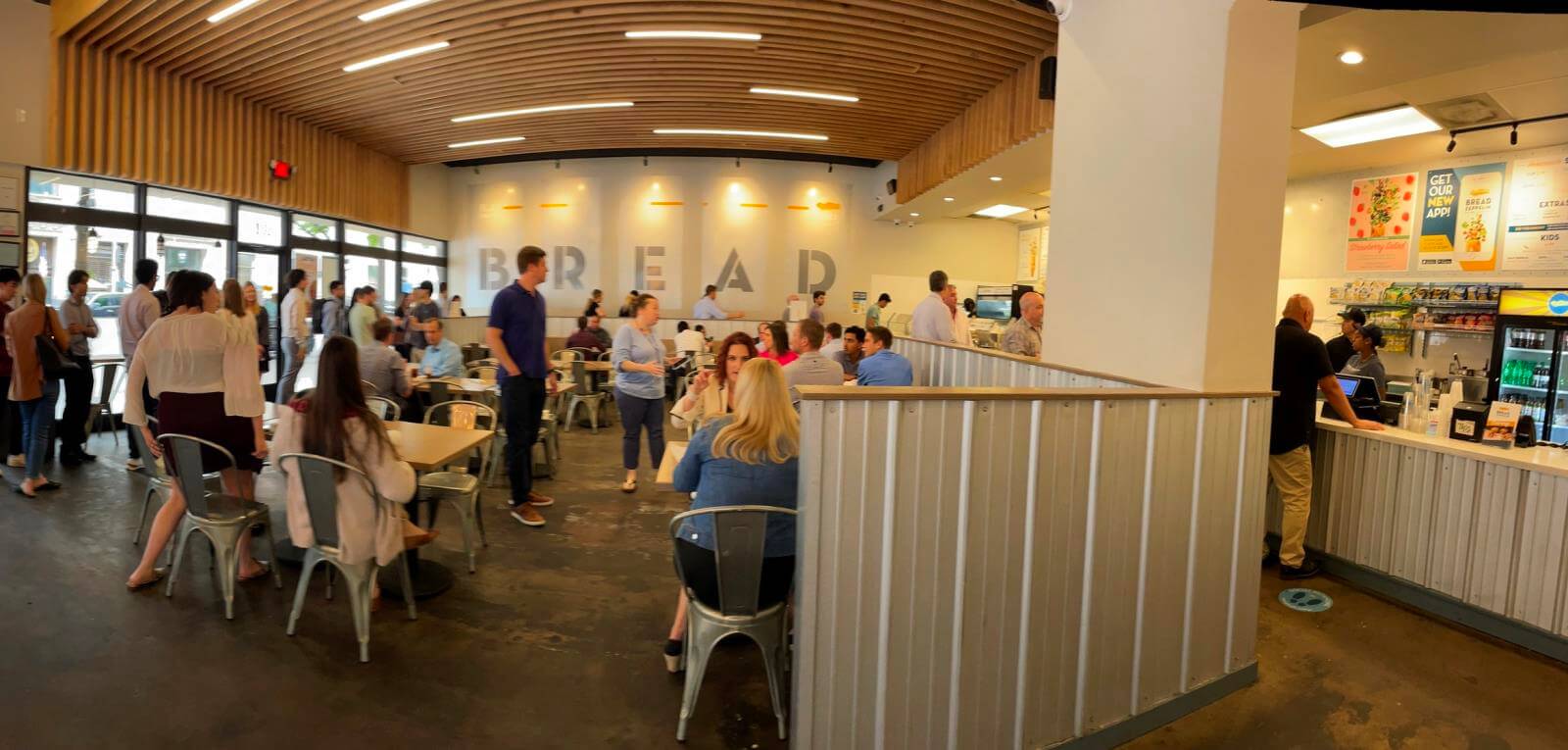
Owning your own business is a dream for hundreds or even thousands of entrepreneurs across the country, but the logistics of building a brand from scratch are daunting. That’s why the appeal of franchising is so clear. But the hesitation is real, too. Large footprints, high build-out costs, and long paths to breakeven can make traditional restaurant concepts feel risky. That’s why small food franchise opportunities have recently started to gain momentum. Compact concepts with streamlined operations prove you don’t need a massive space (or massive amounts of capital) to build a profitable restaurant business.
In fact, the broader fast-casual business sector continues to expand thanks to demands for convenience, efficiency, and quality. According to one firm, the fast-casual restaurant market was valued at $45.6 billion in 2024 and is projected to see even more growth into the next decade. This creates room for small restaurant franchise opportunities that can scale without overextending operators.
For first-time franchise owners and seasoned investors alike, compact food concepts (including Bread Zeppelin) offer a compelling way to balance risk and return.
Why Small Restaurant Franchise Opportunities Are So Attractive
At their core, small restaurant franchise opportunities reduce many of the barriers that force entrepreneurs to the sidelines. Smaller footprints typically mean:
- Lower real estate and build-out costs
- Reduced staffing needs
- Faster setup and opening timelines
- Greater flexibility in site selection
These advantages help shorten the time to breakeven, an important consideration when operating costs stay elevated across the restaurant industry. According to the National Restaurant Association, labor and food costs continue to rank among operators’ top challenges. In this environment, efficiency is more valuable than ever.
Compact formats can even help franchisees test markets more easily. Smaller spaces are often easier to secure and adapt, especially in high-traffic areas where large footprints aren’t practical. A compact format has the same potential to thrive in suburban centers, mixed-use developments, and urban neighborhoods.
What Defines a Low Cost Food Franchise (and What Doesn’t)
Not every compact franchise format is low cost, however, and low cost doesn’t imply low quality or potential. Instead, it often reflects concepts designed with efficiency in mind from day one.
True low cost food franchise models tend to share a few characteristics:
- Focused menus that reduce inventory complexity
- Simple equipment needs compared to full-service kitchens
- Operations built around speed and consistency
According to franchise data compiled by Franchise Business Review, concepts with streamlined operations can typically outperform more complex models in owner satisfaction thanks to easier management and clearer systems.
However, investors should be cautious of franchises that advertise low upfront costs without long-term brand strength or operational support. No owner should evaluate a franchise based on fees or costs alone; true opportunities come from concepts with management investment levels and proven systems.
Smaller Footprints, Smarter Unit Economics
What makes these smaller restaurants so compelling? They can often generate strong unit economics because they do more with less. Fewer square footage translates to lower rent as a percentage of sales, but it also leads to more efficient labor scheduling and faster service times.
Fast-casual brands emphasizing speed, customization, and quality are well positioned for repeat business (read: key drivers of sustainable revenue). Compact concepts that deliver on these expectations can compete effectively with larger-format restaurants without sacrificing cost control.
This is where small food franchise opportunities shine: Owners can stay nimble in a competitive landscape.
Exploring Different Types of Small Food Franchise Opportunities
Today’s market offers a wide range of compact restaurant formats, including:
- Kiosks and non-traditional locations
- Food court and campus-based concepts
- Small fast-casual storefronts designed for takeout and delivery
These formats align with changing consumer habits. Off-premise dining remains a significant driver of sales, and brands that are easy to access and quick to execute continue to benefit.
At the same time, consumers still expect meals that feel fresh and thoughtfully prepared. That combination — speed plus quality — is what separates lasting small restaurant franchise opportunities from short-lived trends.
How Bread Zeppelin Fits the Compact Franchise Model
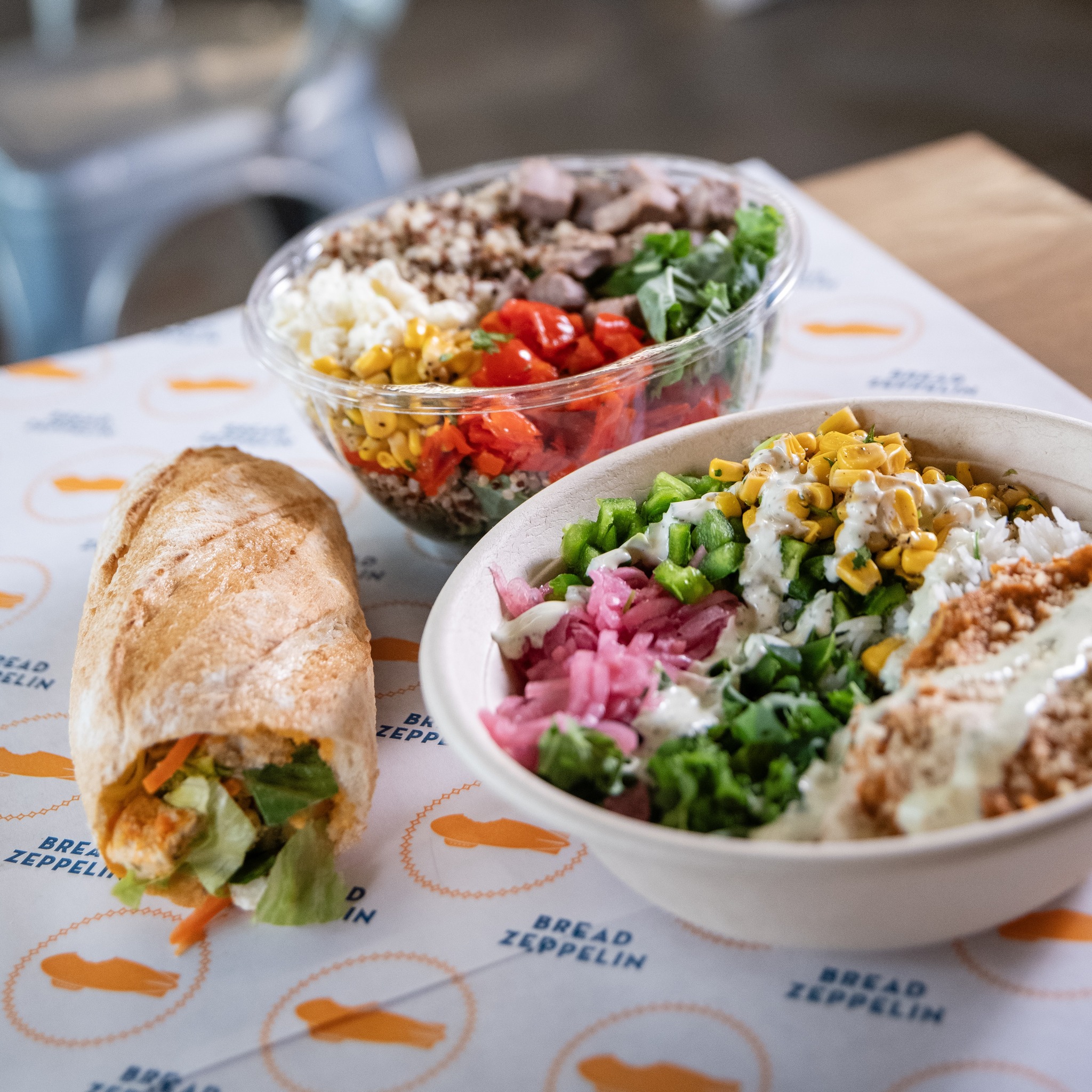
Where does Bread Zeppelin fit in? The brand was designed with efficiency and differentiation in mind. Our signature offering, the Zeppelin, is a fresh chopped salad served inside a locally baked artisan baguette. This compact format lets franchisees operate with a streamlined footprint without missing the memorable, craveworthy experience customers want.
From an operational standpoint, Bread Zeppelin’s model supports:
- Focused preparation processes
- Consistent execution across locations
- Flexibility to fit a variety of real estate types
That makes it a natural fit for entrepreneurs exploring small food franchise opportunities without sacrificing brand identity or consumer appeal.
A Compact Concept Built for Growth
This smaller footprint doesn’t limit ambition, however. We’ve built this concept so it can scale thoughtfully, allowing franchise owners to grow unit by unit while maintaining quality and consistency.
In addition, Bread Zeppelin approaches franchising as a true partnership. The brand provides structured support across real estate analysis, training, operations, and marketing. These are critical elements for first-time owners navigating their initial restaurant investment: the right franchise support and training makes all the difference.
What Investors Should Look for in Small Food Franchise Opportunities
If you’re evaluating small restaurant franchise opportunities, here’s a practical framework to guide your decision:
- Operational simplicity: Can the concept be executed consistently with a small team?
- Brand differentiation: Is there a clear reason customers will choose this concept over others?
- Investment clarity: Are startup and operating costs transparent and realistic?
- Support systems: Does the franchisor provide guidance beyond the opening phase?
- Market alignment: Does the concept match current consumer preferences for convenience and quality?
The strongest low cost food franchise opportunities combine disciplined operations with a brand story that resonates.
Is a Small Food Franchise the Right Investment for You?
For investors seeking an accessible entry point into the restaurant industry, small food franchise opportunities offer a compelling balance of lower risk and meaningful upside. Compact concepts can deliver faster breakeven timelines, greater flexibility, and manageable growth paths, especially when paired with a proven franchisor.
Bread Zeppelin exemplifies how a small footprint can still support a bold, differentiated concept. By blending efficiency with innovation, the brand offers entrepreneurs a chance to build something scalable without taking on unnecessary complexity.
If you’re exploring small restaurant franchise opportunities and want a concept designed for today’s fast-casual realities, Bread Zeppelin is worth a closer look.