The modern salad franchise landscape looks very different from what it did a decade ago. What once felt like a niche health-focused concept has expanded into a highly competitive fast-casual segment. In nearly every major market, multiple bowl-based brands compete for the same health-conscious consumer.
But growth has created saturation.
Today’s consumers expect more than customizable greens and protein add-ons. They want freshness they can see, flavor that feels indulgent, and portability that fits into busy schedules. For franchise investors evaluating salad franchise opportunities, this shift matters.
The brands that will define the next phase of category growth are not simply those offering the freshest ingredients, but those rethinking format, experience, and perceived value.
The strongest operators understand that the best salad franchise models must evolve beyond commodity positioning.
What Is a Salad Franchise?
A salad franchise is typically a fast-casual concept built around fresh, customizable meals prepared in an assembly-line format. Guests select greens, toppings, proteins, and dressings while watching their order come together in real time.
The core characteristics of a traditional fast casual salad franchise include:
- Customizable bowl-based meals
- Ingredient transparency
- Speed of service
- Health-forward positioning
However, not all salad franchises operate from the same strategic foundation. Many brands in the category rely heavily on similar menu architecture and similar in-store experiences. In crowded markets, this structural similarity increases direct price comparison and limits differentiation.
Consumers increasingly expect more than “healthy.” They expect memorable. They expect crave-worthy flavor. And they expect formats that feel convenient and portable.
The most successful salad franchise opportunities recognize that category evolution requires innovation beyond ingredients alone.
Why the Salad Category Became Oversaturated
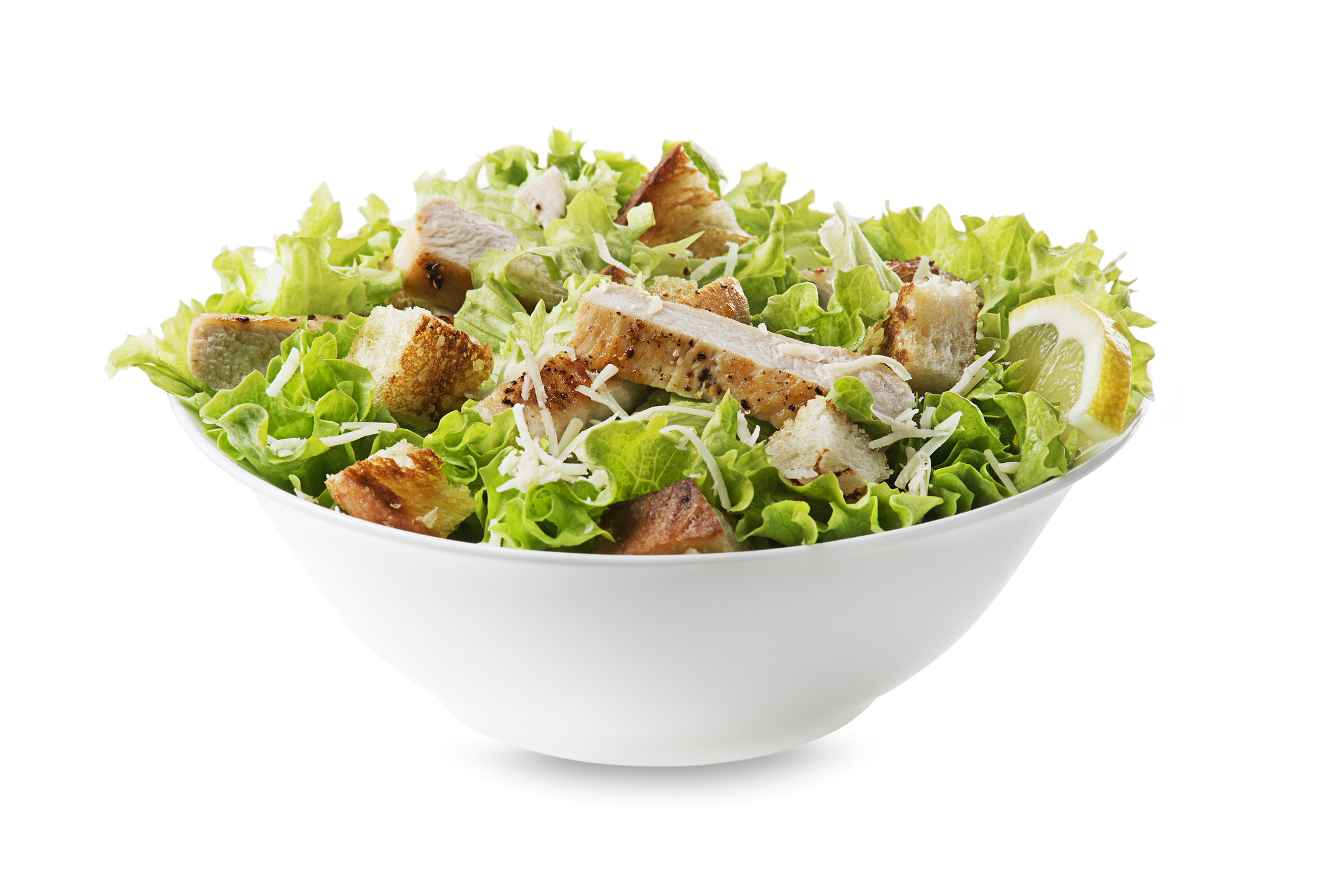
As demand for health-conscious dining increased, the number of bowl-focused salad brands expanded rapidly. In many markets, multiple competitors offer nearly identical formats:
- Build-your-own salad bowls
- Similar assembly lines
- Comparable price points
- Clean, minimalist store designs
When formats become interchangeable, differentiation shifts toward price or promotional incentives. That can compress margins and weaken long-term loyalty.
Oversaturation also reduces novelty. Consumers may struggle to distinguish one brand from another when menus and service models feel repetitive. This environment makes it harder to build excitement or expand average ticket size.
For franchise investors seeking the best salad franchise, understanding category saturation is critical. Success increasingly depends on format innovation rather than incremental ingredient differentiation.
What Today’s Consumers Expect From a Modern Salad Franchise
Consumer expectations have expanded beyond basic freshness. Today’s guests want a combination of quality, portability, and flavor that feels indulgent rather than restrictive.
Three expectations now shape the modern salad franchise model:
- Visible Freshness: Filled-to-order preparation signals transparency and quality. Guests are more likely to perceive value when they see their ingredients freshly prepared.
- Portability and Convenience: Modern dining patterns favor meals that travel well. Portable formats extend usage occasions beyond dine-in lunch, including office delivery, takeout, and casual dinner.
- Flavor-Forward Positioning: While health claims drive trial, flavor drives repeat visits. Concepts that emphasize bold ingredients, satisfying textures, and indulgent elements tend to outperform strictly health-focused messaging.
The modern fast casual dining trends favor brands that balance freshness with experience. Salad franchises that fail to evolve risk blending into an increasingly crowded category.
Why Format Matters as Much as Ingredients
In saturated categories, format becomes a primary differentiator.
How a salad is delivered influences:
- Guest perception
- Portability
- Brand memorability
- Perceived portion value
A differentiated format can transform a standard product into a signature experience. For example, a salad and sandwich franchise hybrid model expands appeal by bridging two consumption categories. It invites consumers who might not typically choose a salad to consider the offering.
Portable, handheld formats also expand daypart flexibility. Meals that travel well can capture on-the-go lunch traffic, office catering, and casual dinner occasions more effectively than open bowl presentations.
Differentiated restaurant concepts reduce direct price comparison because they offer structural uniqueness. That distinction can protect margins and strengthen local marketing performance.
How Bread Zeppelin Redefines the Salad Franchise Model
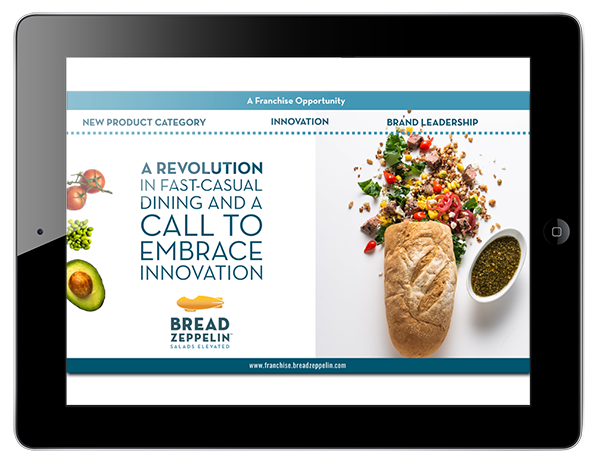
Bread Zeppelin challenges the assumption that salads must be bowl-based.
The brand’s core innovation is simple but impactful: salads are chopped fresh and served inside a warm, hollowed artisan baguette known as the Zeppelin.
This format:
- Enhances portability
- Elevates perceived value
- Expands category positioning
- Creates immediate visual differentiation
The Bread Zeppelin franchise operates at the intersection of salad and sandwich categories. This cross-category positioning reduces interchangeability and broadens consumer appeal.
Instead of competing solely on health messaging, Bread Zeppelin competes on freshness, indulgence, and experience. The result is an innovative salad franchise model that stands apart structurally.
The Zeppelin Baguette Advantage
The proprietary Zeppelin baguette transforms the standard salad into a crave-driven meal.
By combining chopped-to-order freshness with warm artisan bread, the concept creates texture contrast and greater satiety. Guests perceive the offering as more substantial than a typical bowl.
The baguette format also:
- Increases portability
- Supports premium positioning
- Differentiates instantly from bowl-only competitors
A proprietary food format strengthens brand recall and can support stronger average ticket performance compared to traditional salad-only concepts.
Why Differentiation Matters for Franchise Owners
Differentiation is not just a marketing advantage. It is a financial one.
When brands look alike, competition centers on price. When brands stand apart structurally, competition shifts toward experience.
Differentiation can:
- Reduce discount dependency
- Increase marketing memorability
- Strengthen guest loyalty
- Protect perceived value
In crowded fast-casual markets, franchisees benefit from operating concepts that are clearly distinct from competitors.
Operational Support Behind the Concept
A strong concept must be supported by scalable systems.
Bread Zeppelin provides:
- Structured training and onboarding
- Operational playbooks
- Marketing guidance
- Ongoing franchisee support
Operational consistency ensures that differentiation translates into reliable execution across locations.
Is Bread Zeppelin the Right Salad Franchise for You?
Bread Zeppelin is designed for entrepreneurs seeking a differentiated salad franchise opportunity in a crowded category.
It appeals to franchisees who:
- Value structural innovation
- Understand category saturation
- Seek cross-category positioning
- Prioritize long-term brand differentiation
By blending chopped-to-order freshness with a proprietary baguette-based delivery system, Bread Zeppelin redefines what a modern salad franchise can be. Contact us today to learn more about our franchising opportunities.