Fast food is entering a pivotal moment. Demand for convenience has never been greater, but consumer expectations around quality and transparency have changed dramatically. Investors evaluating the benefits of buying a franchise fast food concept have more to think about in 2026.
It’s not enough to ask if fast food is still profitable. The answer is yes. Instead, the better question is “Which fast food models are built for the future?”
Traditional chains have struggled recently with labor cost, menu fatigue, and declining brand trust. But it’s not all bad news. Newer concepts are starting to redefine what fast food can be. Let’s break down the state of the market and highlight emerging growth categories — including how health-forward, operationally efficient brands like Bread Zeppelin are attracting investor interest heading into 2026.
The Fast Food Franchise Market in 2026: What’s Changed?
Fast food is still one of the largest segments in franchising. The U.S. quick-service restaurant (QSR) market was projected to hit $532 billion in 2025, a 4.3% increase from the previous year. That growth continues to be driven by innovations like digital ordering and off-premise dining, symbolic of the consumer’s demand for convenience.
However, growth is increasingly uneven. Legacy burger and fried chicken brands have seen slower same-store sales growth. Fast-casual and hybrid concepts have outperformed. Rising labor costs, higher ingredient prices, and real estate pressures often lead to fast food investments that require leaner operations and a stronger brand proposition to succeed.
That’s a real opportunity for investors, but only when they back concepts designed for modern consumer behavior instead of outdated volume-driven models.
Why Demand Is Shifting Toward Healthier Fast Food Concepts
Health is no longer a niche concern, but a mainstream purchasing driver. Many Americans say healthiness is a factor when deciding where to eat, but only if the food’s flavors and cost match. This creates a real opportunity; there’s demand for a healthy fast food franchise category, where menus emphasize fresh prep and customizable meals with cleaner ingredient profiles. Importantly, these concepts that still deliver speed and consistency bridge the gap between fast food and fast casual.
From an investment perspective, healthier fast food franchises often benefit from:
- Higher perceived value and pricing flexibility
- Strong lunchtime and weekday demand
- Broader appeal across age groups
As consumer priorities continue to evolve into 2026, health-forward positioning is becoming a competitive necessity, not a bonus.
Transparency, Nutrition, and Customization Are Now Deal-Breakers
Why? Well, modern diners clearly expect to know what they’re eating. Menus that clearly communicate ingredients, sourcing, and nutritional value drive higher trust and repeat visits, especially among Millennials and Gen Z.
Customization is important, too. Franchises that let customers tailor their meals (without operational complexity) benefit from higher satisfaction and fewer lost sales. Fast food franchises that lack this transparency or flexibility could risk being filtered out before their customers even walk through the door.
Global and Hybrid Concepts As Franchise Growth Drivers
Affordability and nutrition aren’t the only factors impacting franchise growth. Global food trends have started to shape franchising; Rice bowls, pho, Mediterranean wraps, and globally inspired comfort foods have gained traction as they feel familiar yet differentiated.
These formats often succeed because they naturally align with customers’ desire for foods that are freshly prepared and nutritionally balanced. Globally-influenced brands also tend to feature modular menus that simplify operations.
As a result, many of the most attractive fast food franchises for sale fall into this hybrid category. They combine international flavors with American expectations for speed and convenience. If you’re looking ahead, you may want to consider concepts that feel contemporary without being totally trend-dependent.
What to Look for When Evaluating Fast Food Franchises for Sale
Knowing that not all fast food opportunities are created equal, what should you look for when contemplating an investment? Before you dive in, evaluate whether a concept is structurally prepared for long-term success. Key factors to look at include:
- Unit economics: Can the model maintain margins amid labor and food cost inflation?
- Operational simplicity: Does the menu scale efficiently without excessive staffing or prep time?
- Brand relevance: Is the concept aligned with health, transparency, and modern dining habits?
- Franchisor support: Training, supply chain management, marketing, and operational guidance are essential, especially for first-time franchisees.
Franchises that excel in these areas tend to outperform those legacy models relying solely on brand recognition.
How Bread Zeppelin Reflects the Future of Fast Food Franchising
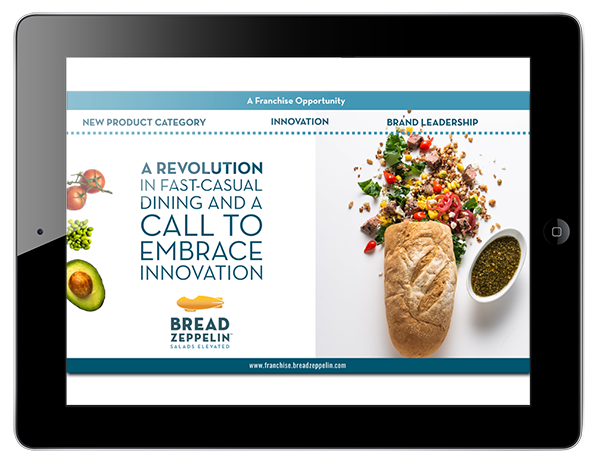
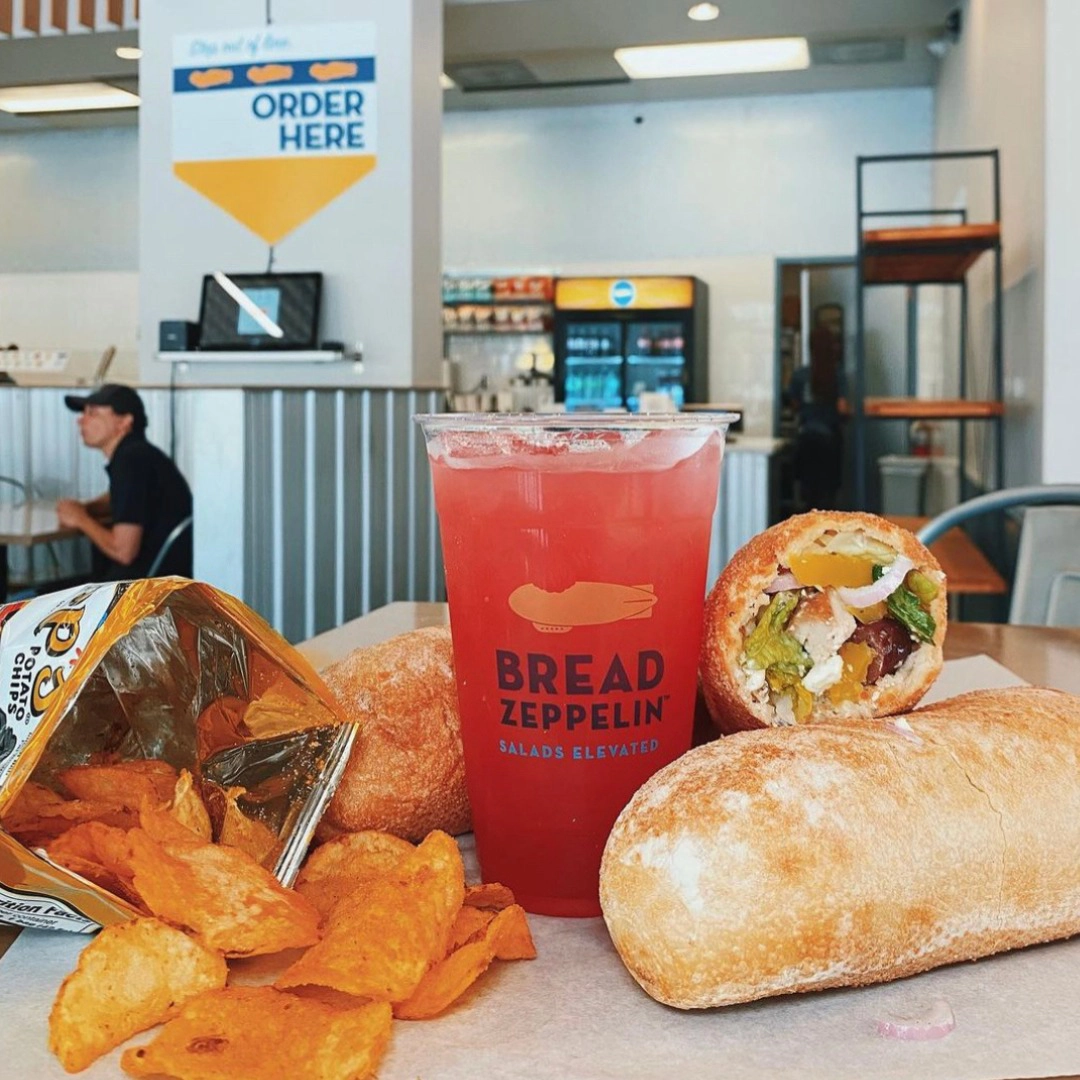
Bread Zeppelin offers an example to investors of how fast food has been redefined. Built around freshly chopped salads served inside artisan-baked bread, the concept delivers the speed customers crave, but without sacrificing quality or nutrition.
From a franchise perspective, Bread Zeppelin aligns with several 2026 growth drivers:
- Health-forward positioning that resonates with modern consumers
- A differentiated menu that avoids direct competition with saturated QSR categories
- Streamlined operations designed for consistency and scalability
- Strong franchisor support focused on long-term franchisee success
By blending convenience with transparency and freshness, Bread Zeppelin represents the type of healthy fast food franchise investors are increasingly seeking.
Is Buying a Fast Food Franchise in 2026 Worth It?
The fast food franchise market remains a compelling investment, but only for concepts that have evolved with customer expectations. In 2026, success favors brands that prioritize health, operational efficiency, and transparency while maintaining the speed customers expect.
If you’re an investor willing to look outside traditional fast food models, modern franchises can offer a path to growth in a changing industry.
Frequently Asked Questions
Is a fast food franchise still profitable in 2026?
Yes, but profitability increasingly depends on operational efficiency, brand differentiation, and alignment with consumer demand for healthier options.
What makes a healthy fast food franchise different from traditional fast food?
Health-focused franchises emphasize fresh ingredients, transparency, and customization while maintaining speed and consistency.
Are fast food franchises for sale a good option for first-time owners?
They can be, especially when the franchisor provides strong training, operational support, and proven systems.
How much does it cost to open a fast food franchise?
Costs vary widely by brand, location, and build-out requirements, typically ranging from the low six figures to over $1 million.
What trends should fast food franchise investors watch beyond 2026?
Digital ordering, labor optimization, health-forward menus, and global flavor influences will continue shaping demand.